Health and Safety Policy — Flat Clearance Deptford
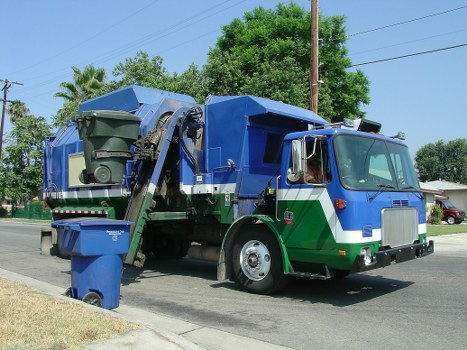 This Health and Safety Policy sets out the commitment of our flat clearance team to protect the health, safety and welfare of everyone engaged in waste and rubbish removal work. It applies to all clearance, junk removal and refuse handling activities undertaken by the service, whether at residential flats, communal areas or during transport. The policy emphasises risk assessment, training, personal protective equipment and safe systems of work, and is written to reflect best practice for a rubbish clearance operation serving a wide service area.
Our objectives are clear: prevent accidents and occupational ill health; reduce risks from manual handling of bulky items; ensure correct segregation and disposal of waste; and maintain safe access and egress for staff and contractors. This policy is underpinned by regular review, periodic inspections, and the appointment of responsible persons to oversee site safety. All team members must understand their role and the expectations for safe conduct when carrying out a flat clearance.
Responsibilities and Roles
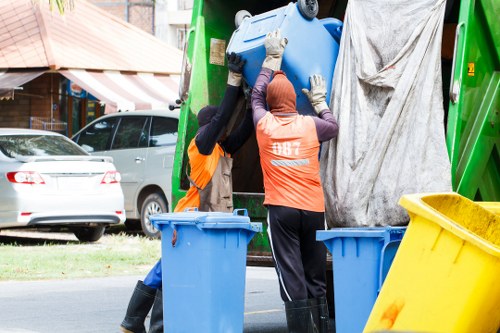
Responsibility is shared. Managers will ensure risk assessments are completed and control measures implemented. Supervisors will monitor compliance on site, coordinate rubbish removal tasks, and liaise with waste handling partners where necessary. Operatives must follow safe working methods, use appropriate PPE, and report hazards without delay. Visitors and residents should be informed of safety arrangements and requested to keep communal corridors clear during collections.Risk assessment is central to safe clearance operations. Before work begins a competent person will evaluate hazards such as sharp objects, heavy furniture, contaminated waste, asbestos suspicion, biohazards and trip or fall risks in stairwells and lifts. Control measures include using mechanical aids, team lifts, clear signage for restricted access, and isolating electrical sources. These assessments are living documents and will be updated when conditions change or new information emerges.

Manual Handling and Ergonomics
Manual handling incidents are a common cause of injury in rubbish removals. The policy promotes correct lifting techniques, two-person lifts for awkward loads, push/pull methods over lifting when feasible, and the use of trolleys, sack trucks and lifting belts. Training in manual handling is mandatory for all operatives and refresher sessions will be scheduled. Tasks must be planned to avoid lone lifting of heavy items and to reduce repetitive strain injuries.Personal protective equipment is mandatory where identified by risk assessment. Staff will be provided with gloves, hi-vis clothing, safety footwear, eye protection and respiratory protection when dealing with dusty, mouldy or potentially contaminated materials. Equipment must be well maintained, correctly fitted, and replaced when damaged. The policy emphasises that PPE complements, not replaces, safer work methods.
Hazardous materials and controlled waste require special handling. The policy prohibits illegal disposal and mandates segregation of recyclables, inert waste, and hazardous items such as chemicals, batteries, paint, and electronic waste. Any suspected asbestos-containing material will be treated as hazardous and clearance halted until a qualified surveyor or specialist contractor can assess and remove such items. Clear procedures for labelling, containment and transfer of hazardous waste are included.
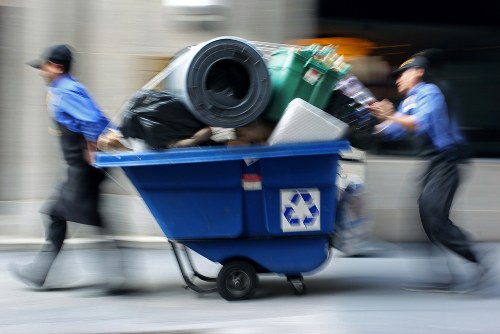 Fire safety, site security and vehicle safety are integral. All operatives will be familiar with fire exits, assembly points and the proper storage of flammable materials. Vehicles used for rubbish collection will be regularly inspected, secured to prevent shifting loads, and operated by personnel with appropriate licences and training. Keys, immobilisers and secure loading practices protect both staff and the public during transport and temporary storage of waste.
 Incident reporting, monitoring and continuous improvement are essential to the policy. All accidents, near misses and health concerns must be reported immediately and recorded. Investigations will identify root causes and corrective actions. Regular audits, toolbox talks and performance reviews will drive improvements in safety processes. Staff involvement in safety committees and feedback channels is encouraged to foster a proactive safety culture.
Training and competence are ongoing commitments: induction training, practical demonstrations, and periodic assessments will ensure that operatives remain competent in safe rubbish removal techniques. Records of training, qualifications and medical fitness checks will be maintained. Contractors and temporary staff will be provided with site-specific briefings before starting work.
To implement this policy the organisation will allocate sufficient resources for equipment, training and supervision. Regular inspections and routine maintenance of tools and vehicles will be carried out to prevent avoidable breakdowns. A clear chain of command ensures prompt decision-making during complex clearances or when hazardous conditions are encountered.
Key control measures:
- Comprehensive risk assessments before each clearance
- Mandatory PPE and safe systems of work
- Special handling protocols for hazardous and contaminated waste
- Regular training, audits and incident follow-up
- Safe vehicle loading, securing and transportation procedures